One Requirement, Three Different Builds: Read It, Tap It, Or Give Up
Reading a notification, tapping an approval, and capturing a protected screen required different designs. The lock-screen limit applies to the device and path tested.
Reading a notification, tapping an approval, and capturing a protected screen required different designs. The lock-screen limit applies to the device and path tested.
Remote requests timed out while local requests and SSH still worked. Inspecting the Windows desktop revealed a pending prompt; remote requests recovered after Allow.
Moving an idle occupier from one GPU layer to two coincided with a 29% generation-speed drop. The 70MB counter delta does not establish the cause.
At depth 7,168, compressed cache reached 5.27 tok/s versus 9.31 for fp16 in the same fork. A later run exited with 0xC0000409; the crash cause is unconfirmed.
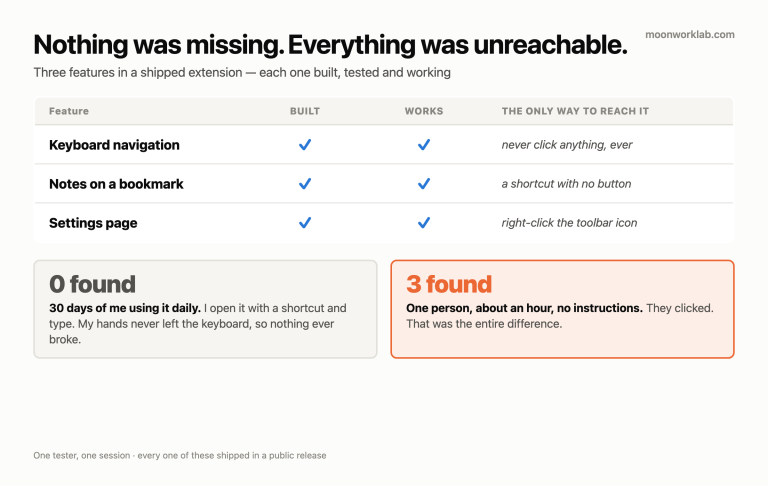
One tester exposed keyboard-focus and feature-discovery problems I had missed. A later correction separates fetch errors from unverified root causes.
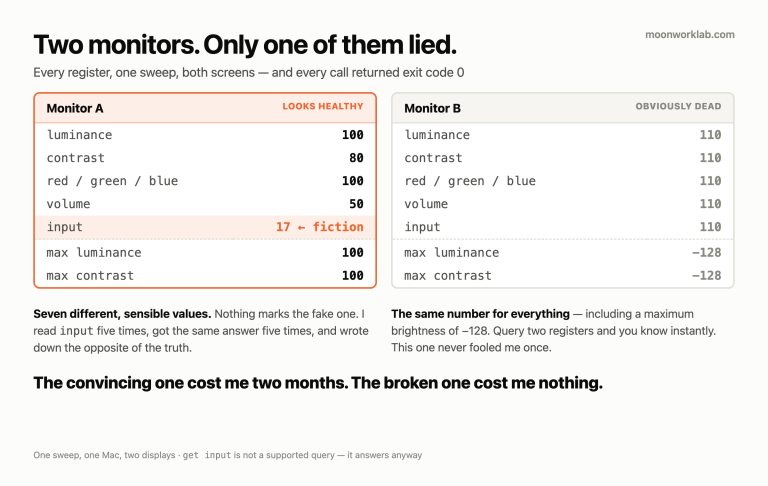
An unsupported monitor input query returned stable values. A visual switching check contradicted my mapping and exposed the limits of repeatability.
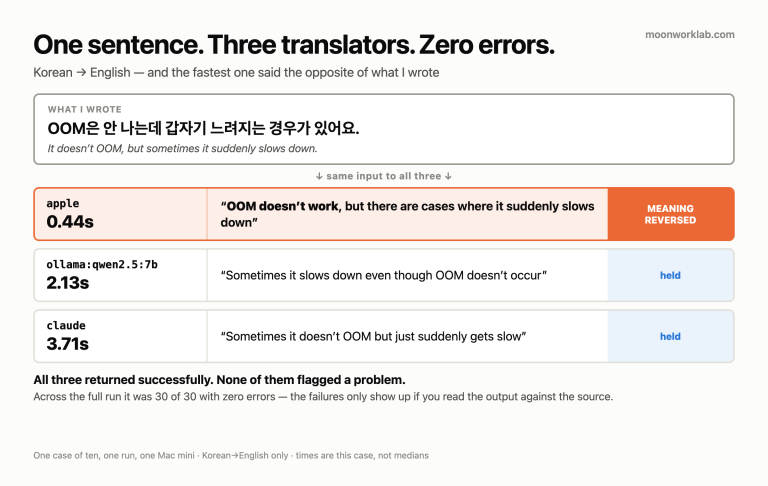
Ten technical Korean-to-English cases completed without errors, yet several outputs changed the meaning. I retained review instead of automating unchecked posting.
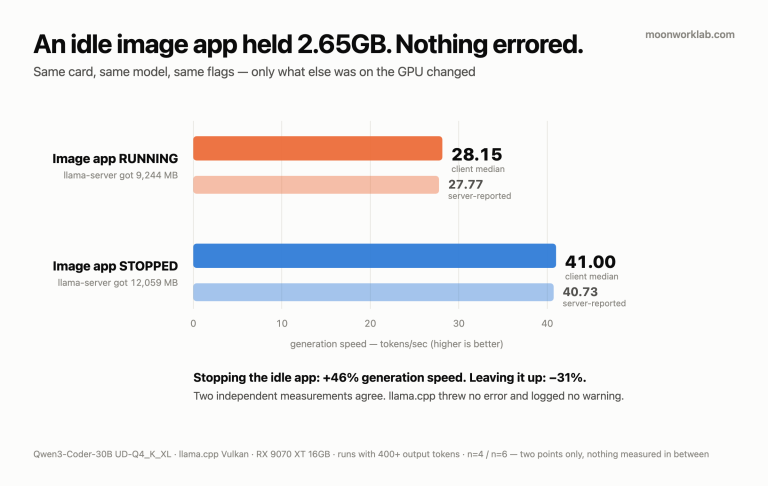
One GPU occupancy comparison showed 28.15 versus 41.00 tok/s. A server restart separates the conditions, and the memory-spill mechanism was not directly observed.
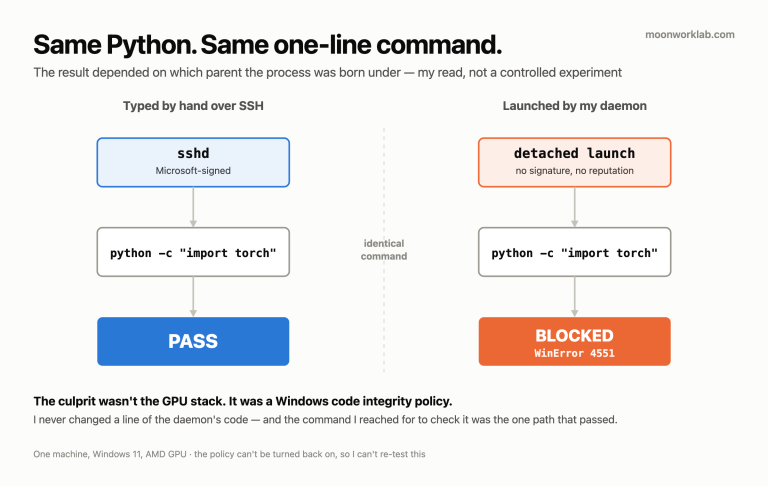
Manual SSH import passed while a WMI launch failed with WinError 4551. Disabling a policy restored that setup; the exact launch-path mechanism was not isolated.
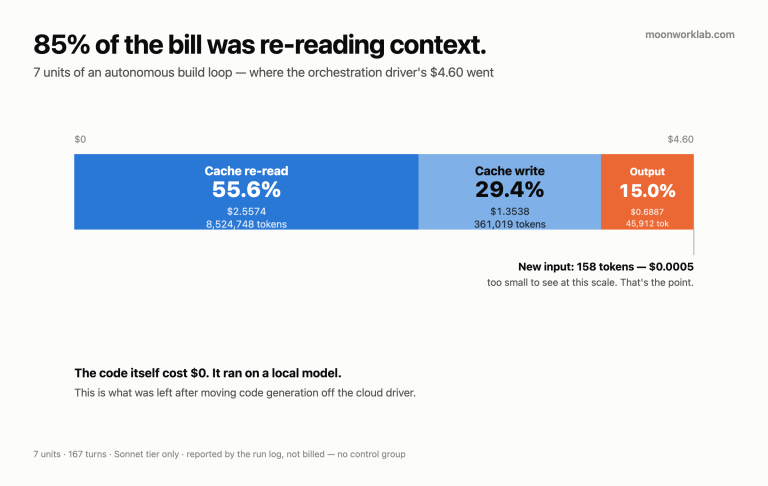
Seven successful units reported an average $0.659 API-price estimate. No metered bill was charged. The logs show orchestration volume, not a controlled savings comparison.